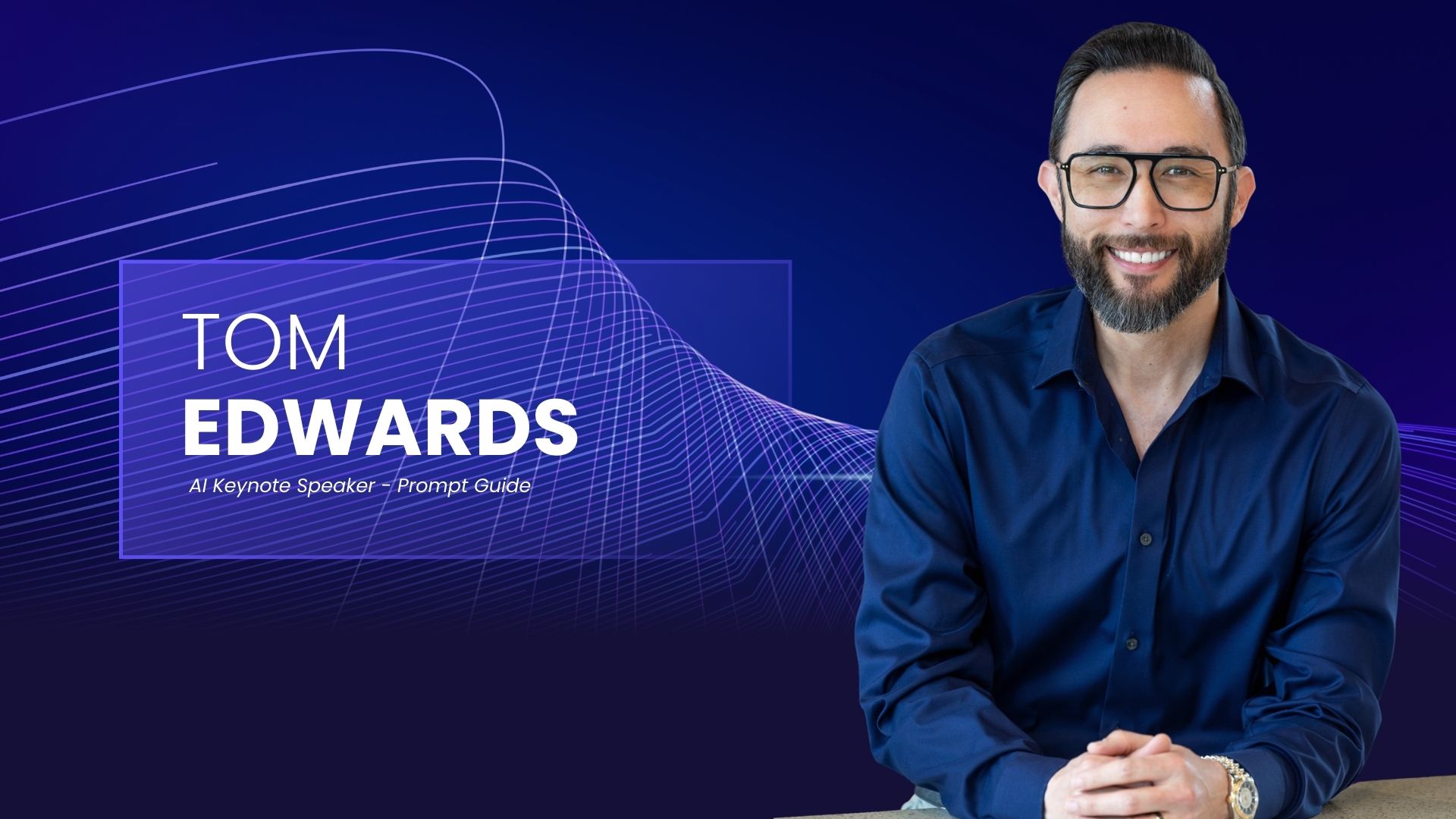
Mastering the Art of the Prompt: A Beginner’s Guide to Prompt Creation
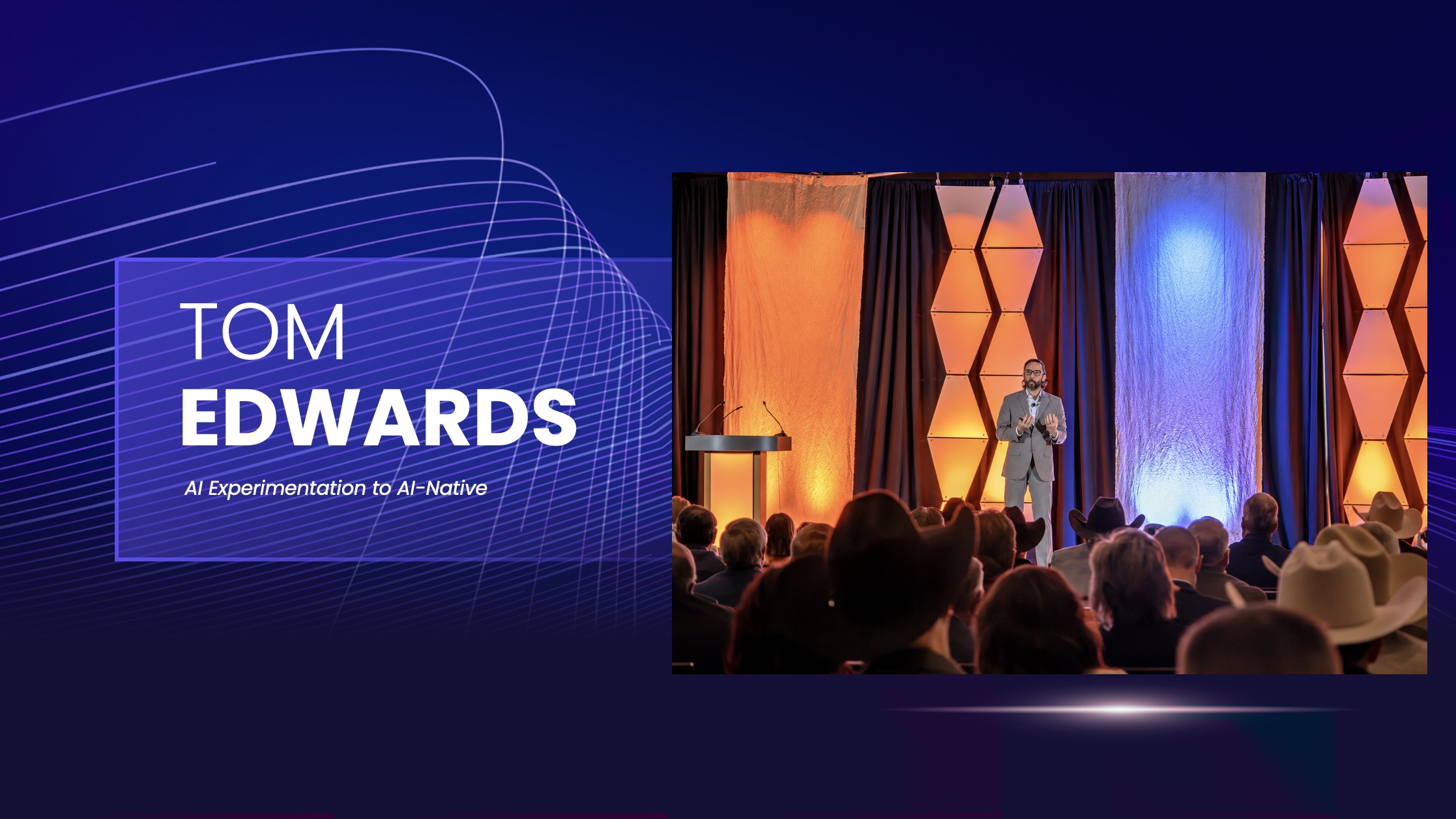
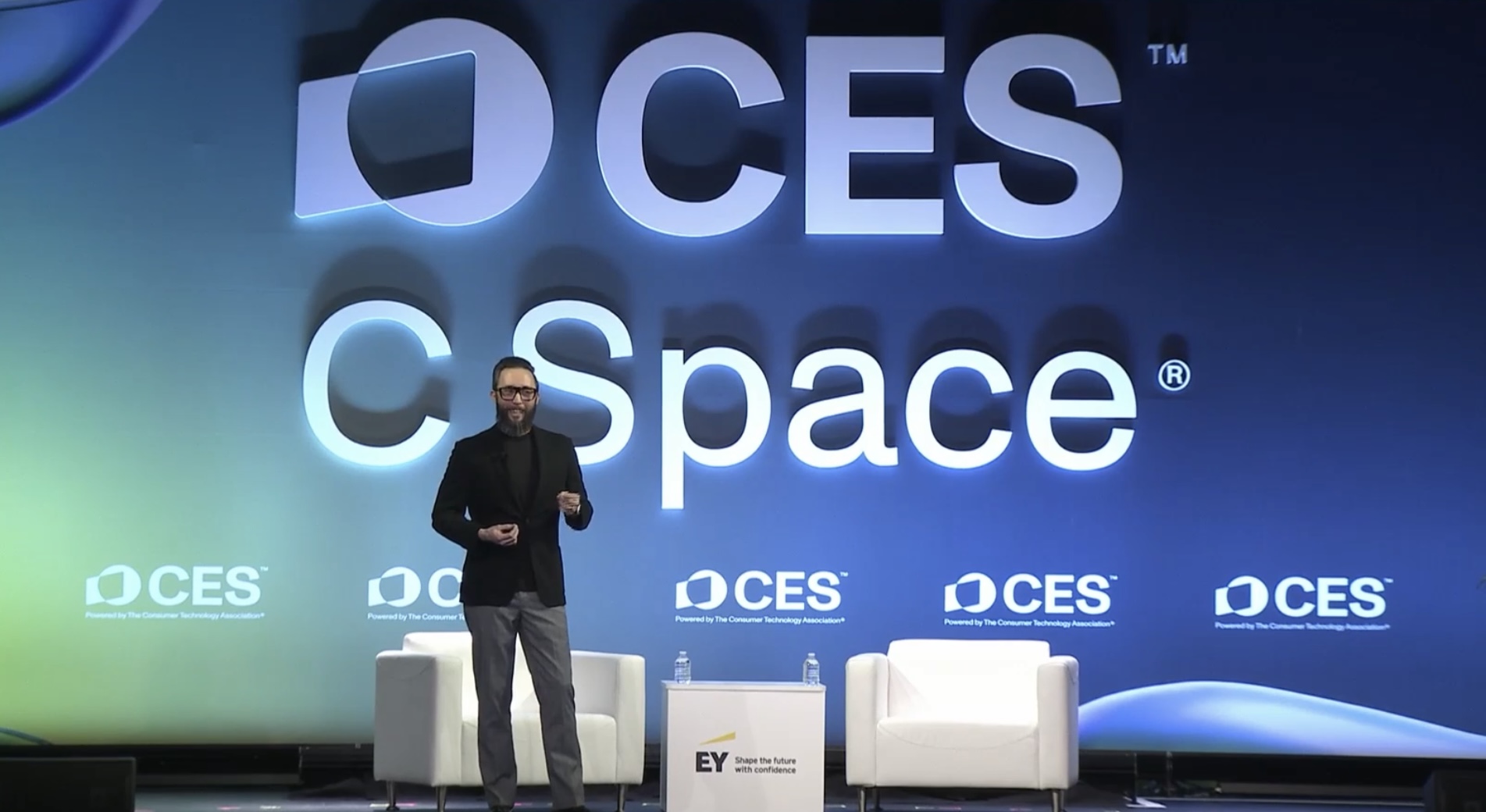
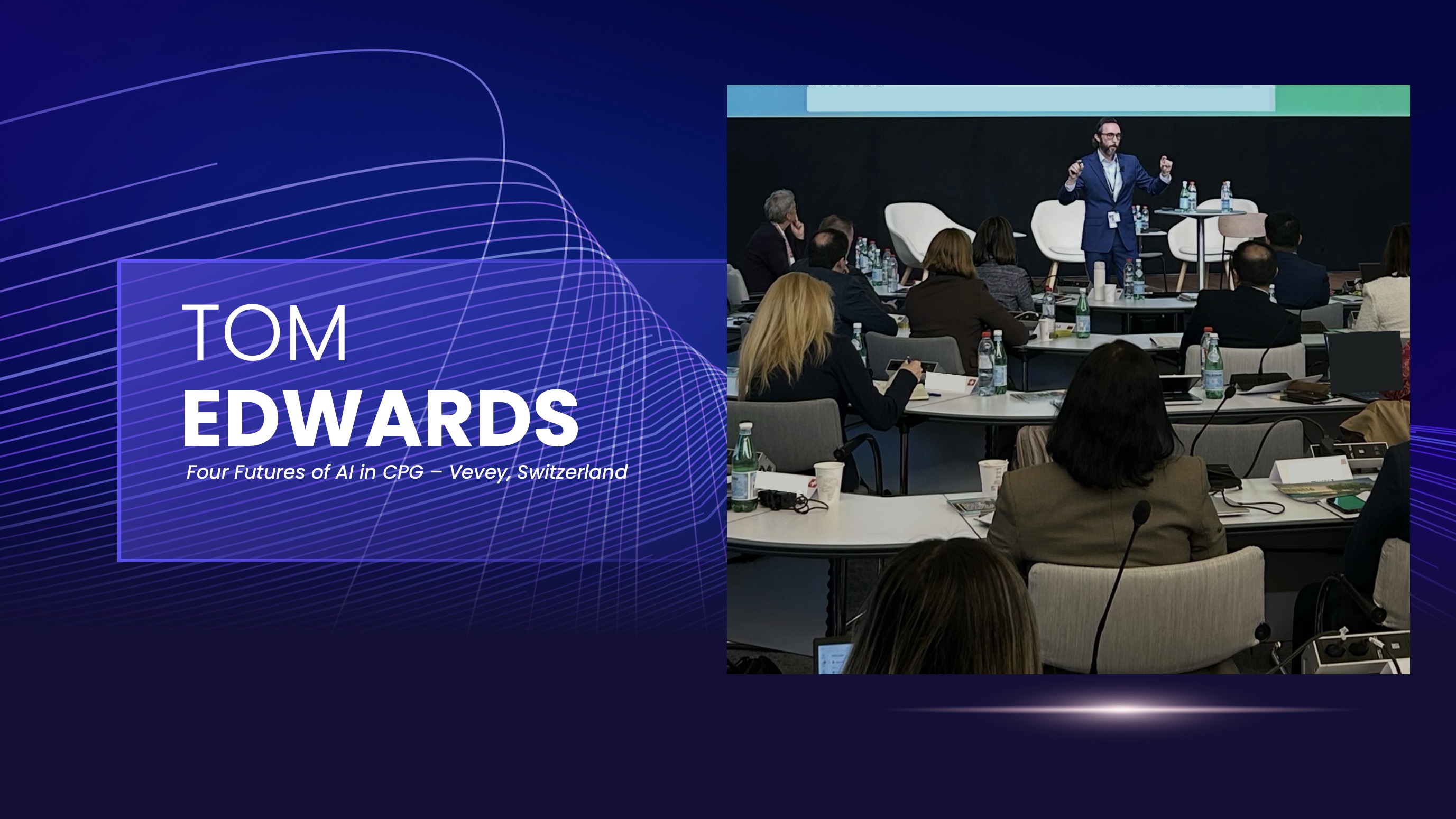
By Tom Edwards | AI Keynote Speaker
Whether you’re just starting to explore AI tools like ChatGPT, Claude, Gemini, or Midjourney—or you’ve dabbled here and there and want to level up—everything starts with one core principle:
📌 The quality of your output is directly tied to the clarity of your input.
This is why prompt creation is both an art and a science. In this guide, I’ll walk you through the fundamentals of prompt engineering, best practices, tool-specific tips, and how to get the most out of your generative and agentic AI experiences.
🚀 Why Prompts Matter
Prompting is how we communicate our intent to an AI model. Done well, it can lead to:
- Better outputs faster
- More consistent results
- Greater creativity and control
- Reduced time editing or reworking content
🧠 The Prompt Framework: CLEAR
I prefer to use the CLEAR framework when getting started:
C – Context: Give the AI relevant background
L – Language: Specify tone, voice, or reading level
E – End Goal: Clarify what success looks like
A – Action: Be specific about what you want it to do
R – Refine: Iterate, experiment, and improve
🛠 Example:
“You are a marketing strategist writing a LinkedIn post in the voice of Tom Edwards, focusing on AI and the future of work. Keep the tone inspirational, concise, and professional. Include a strong CTA at the end.”
✏️ Prompt Best Practices for Beginners
- Roleplay the AI’s identity
➤ “You are a resume coach with 20 years of experience…” - Be specific about format
➤ “…provide it in a bulleted list with headers.” - Clarify audience
➤ “…designed for enterprise CMOs new to AI.” - Limit scope
➤ “Give me 3 taglines, each under 10 words.” - Refine iteratively
➤ “Now make it more conversational.”
🧰 Go-To Tools for Prompting Beginners
Here are some platforms I often recommend when guiding teams and individuals into AI:
| Platform | Best For |
|---|---|
| ChatGPT | Writing, research, ideation |
| Claude | Summarization, document analysis |
| Midjourney | Visual generation |
| Gemini | Google ecosystem integration |
| Copilot Studio | Task automation, workflows |
Each has different prompting sensitivities—ChatGPT is forgiving and helpful, Claude is precise, and Midjourney needs structured commands (like --v 5 --ar 16:9).
🧠 Thinking Beyond Prompts: Agentic AI
Agentic AI—AI that can take initiative and perform multi-step actions—is redefining how we interact with systems.
Prompting here shifts from “give me content” to “run this process.”
Example:
“Act as a product manager and create a launch plan. Then draft a comms brief. Finally, assess the risks based on this stakeholder list…”
This multi-turn prompting is the beginning of AI agents. Getting clear on objectives and logic flows is the future skill.
🧭 How to Improve Over Time
- Study your results: What did you like? What didn’t work?
- Use personas: Have AI act like a named expert
- Create prompt libraries: Save your best ones
- Test variants: Change one variable and compare
- Use “chain-of-thought” prompting: Ask AI to walk through its reasoning
📚 Additional Resources from BlackFin360
- 🎤 Tom Edwards AI Keynote Summary: Empower, Exponential, Enhanced
- 🔎 Agentic AI Explained
- 🧠 The Evolution of AI
🔚 Final Thought
Prompting is your interface to intelligence. The more thoughtful and structured your inputs, the more exponential the outcomes.
As AI becomes more embedded in our workflows, prompt fluency will be a key digital literacy. Start small, stay curious, and iterate often.
If you’re ready to dive deeper or empower your team, connect with me at blackfin360.com or follow across social platforms for more insights on the evolving AI landscape.

—
Tom Edwards
AI Keynote Speaker
🔗 Connect on LinkedIn | 🌐 BlackFin360.com